
When you start buying and selling video games, listings can feel like they are written in another language. Short terms such as CIB, OBO, and 1st Print communicate important details fast—but only if you know how to read them.
Learning this vocabulary helps you price more confidently, create clearer listings, and avoid buying something that is not what you expected. Here are 10 reseller terms every new video game seller should know.
Condition Notes
1. CIB
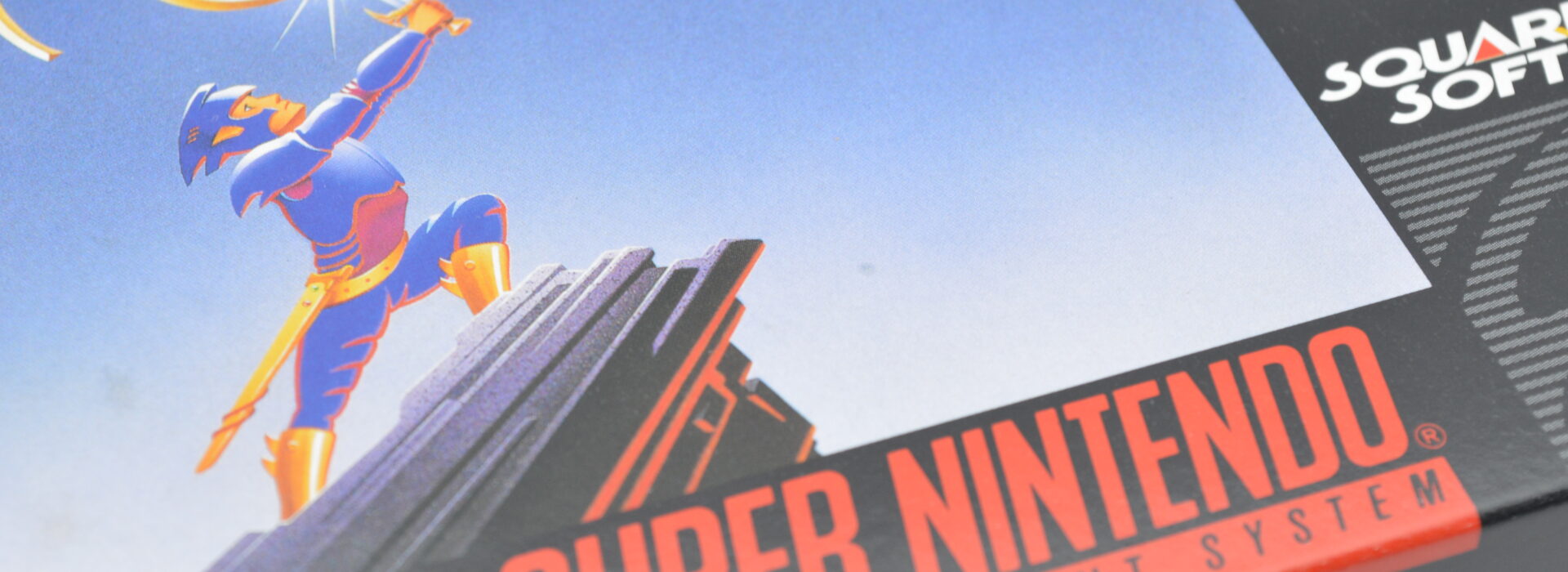
CIB means Complete in Box. For most retro and collectible games, that means the game cartridge or disc, its original case or box, and the original manual are all present. Some sellers use CIB more loosely, so always list exactly what is included and photograph it. A truly complete copy is usually worth more than a loose game, especially for older Nintendo, PlayStation, Sega, and handheld titles.
2. Complete
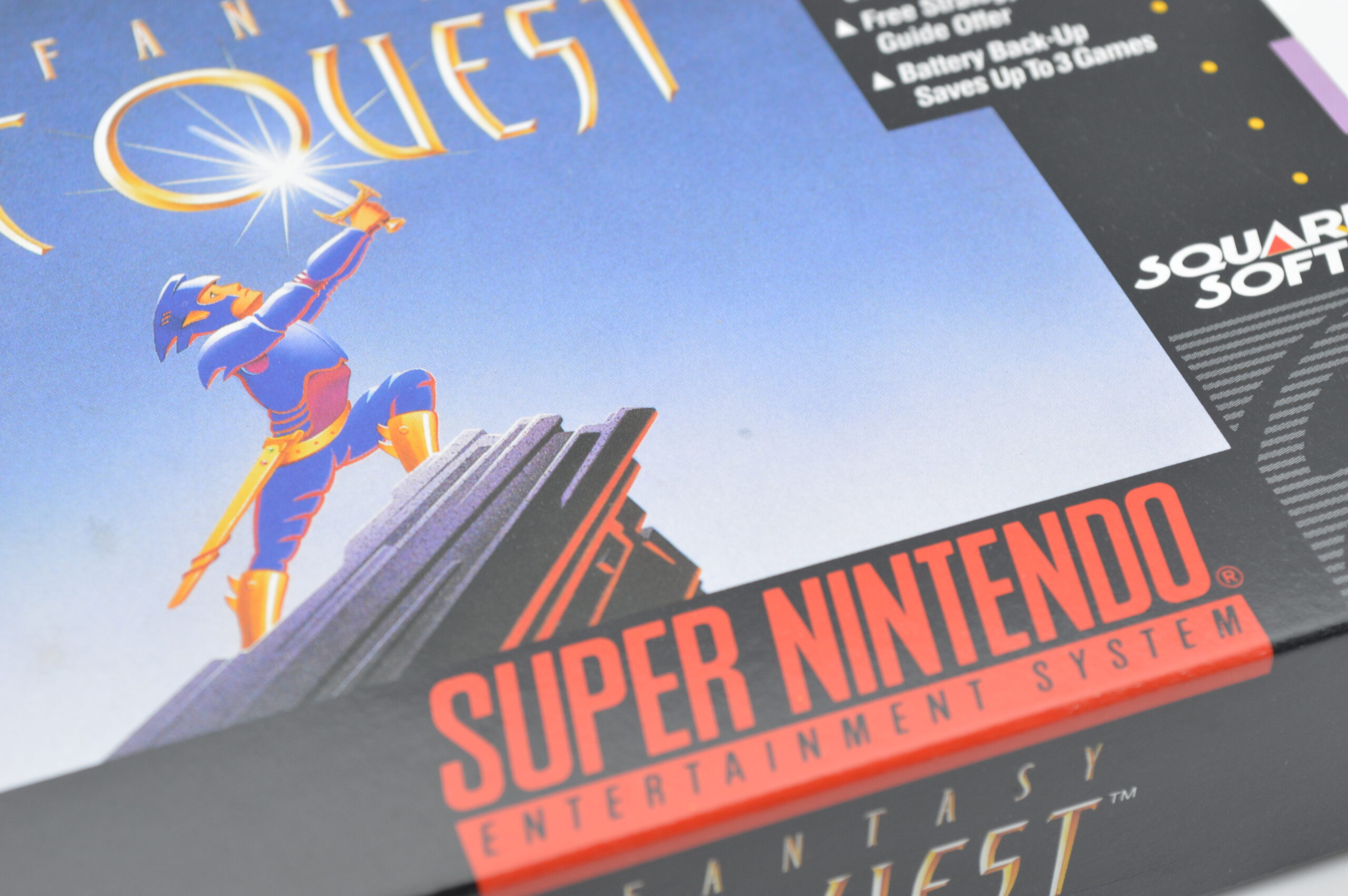
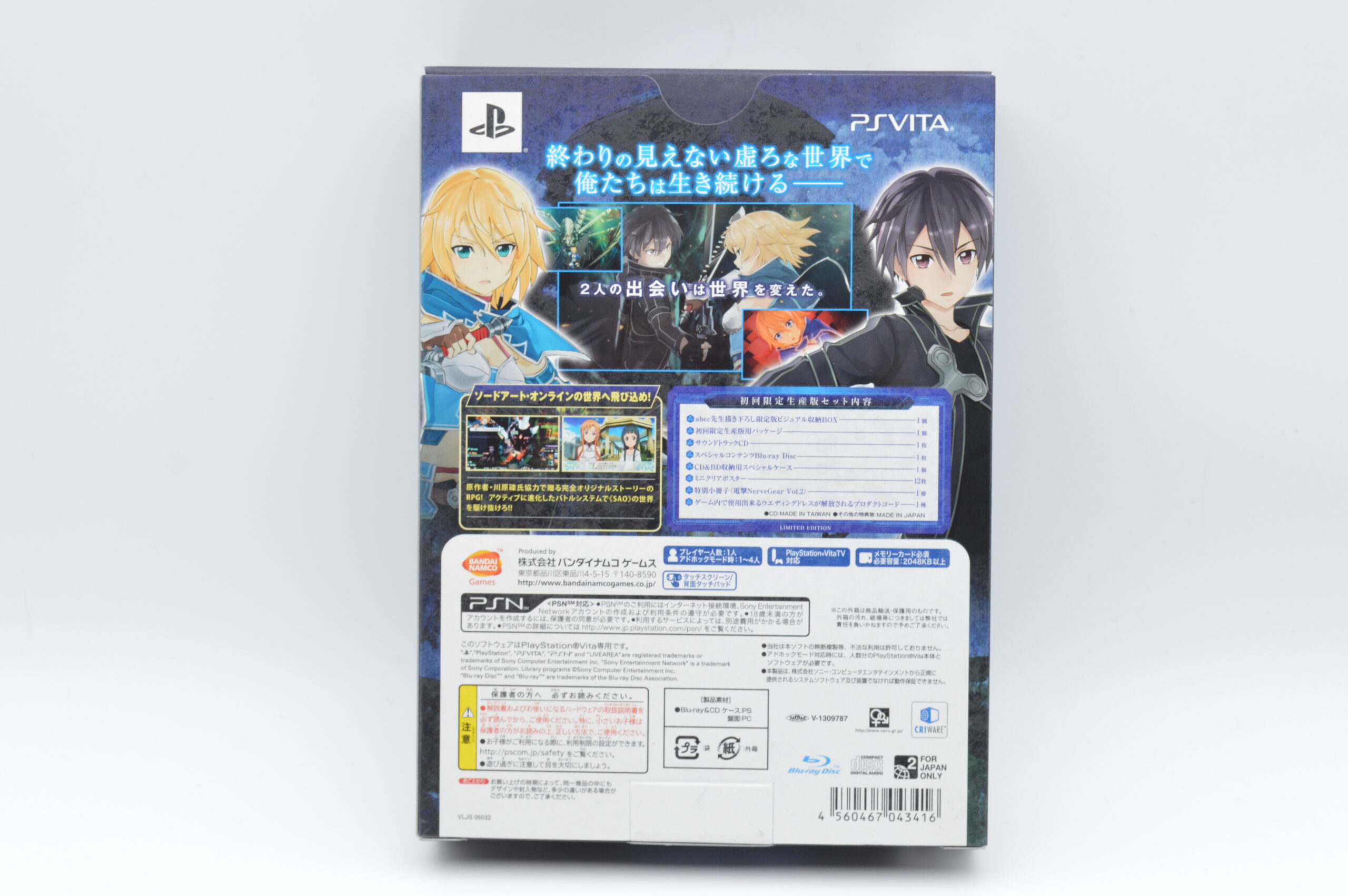
Complete usually means the original game and all of the items it originally came with are included. It is often used interchangeably with CIB, but it can be broader. A complete collector’s edition might include inserts, maps, registration cards, bonus discs, or promotional items. If you write “complete” in your own listing, be precise: say whether inserts and extras are included rather than leaving buyers to guess.
3. NIB
NIB means New in Box. The item is new and still has its original packaging. Depending on the game and platform, the outer wrap may be present or may have been removed, so photos and a clear condition description matter. NIB is more common for hardware, accessories, figures, and older items with packaging than it is for modern games.
4. BNIB
BNIB means Brand New in Box. It is very similar to NIB, with an extra emphasis that the product has not been used. For sealed games, consoles, controllers, or collector’s editions, BNIB signals that the item is as it was sold at retail. Do not use it for an opened item just because it looks unused—buyers will expect the original new-item presentation.
5. Sealed
Sealed means the item is still closed in its factory shrink wrap or other original manufacturer seal. This can carry a premium for collectible games, but it is not a guarantee of condition or authenticity. Photograph the wrap, seams, corners, and seals. Also avoid claiming a game is “factory sealed” if the plastic is a store rewrap, aftermarket shrink wrap, or a protector.
Pricing Notes
6. Comp
A comp is a comparable sale: a recently sold item similar to the one you are pricing. The best comps match the same game, platform, edition, region, condition, and completeness. Asking prices are useful for seeing the market, but sold listings tell you what buyers actually paid. Check several recent comps, discard obvious outliers, and factor in shipping and marketplace fees before setting your price.
7. OBO
OBO means Or Best Offer. It tells buyers you are willing to consider offers below your listed price. It is useful when you want to move inventory, test demand, or leave room for negotiation. Set a private minimum before listing so you do not accept a deal that leaves no profit after fees, shipping, and your original cost.
8. ONO
ONO means Or Nearest Offer. It is common in local selling groups and works much like OBO. The wording suggests you may accept the strongest reasonable offer, even if it is not exactly your asking price. Be ready to explain the item’s condition and show your comps if someone makes a very low offer.
9. FIRM
FIRM means the price is not negotiable. Use it when you have priced an item from solid recent comps and are willing to wait for the right buyer. A firm price is clearest when your listing backs it up with good photos, an accurate condition grade, and a concise explanation of what is included. Expect some buyers to make offers anyway; a polite “the price is firm” is enough.
Misc:
10. 1st Print
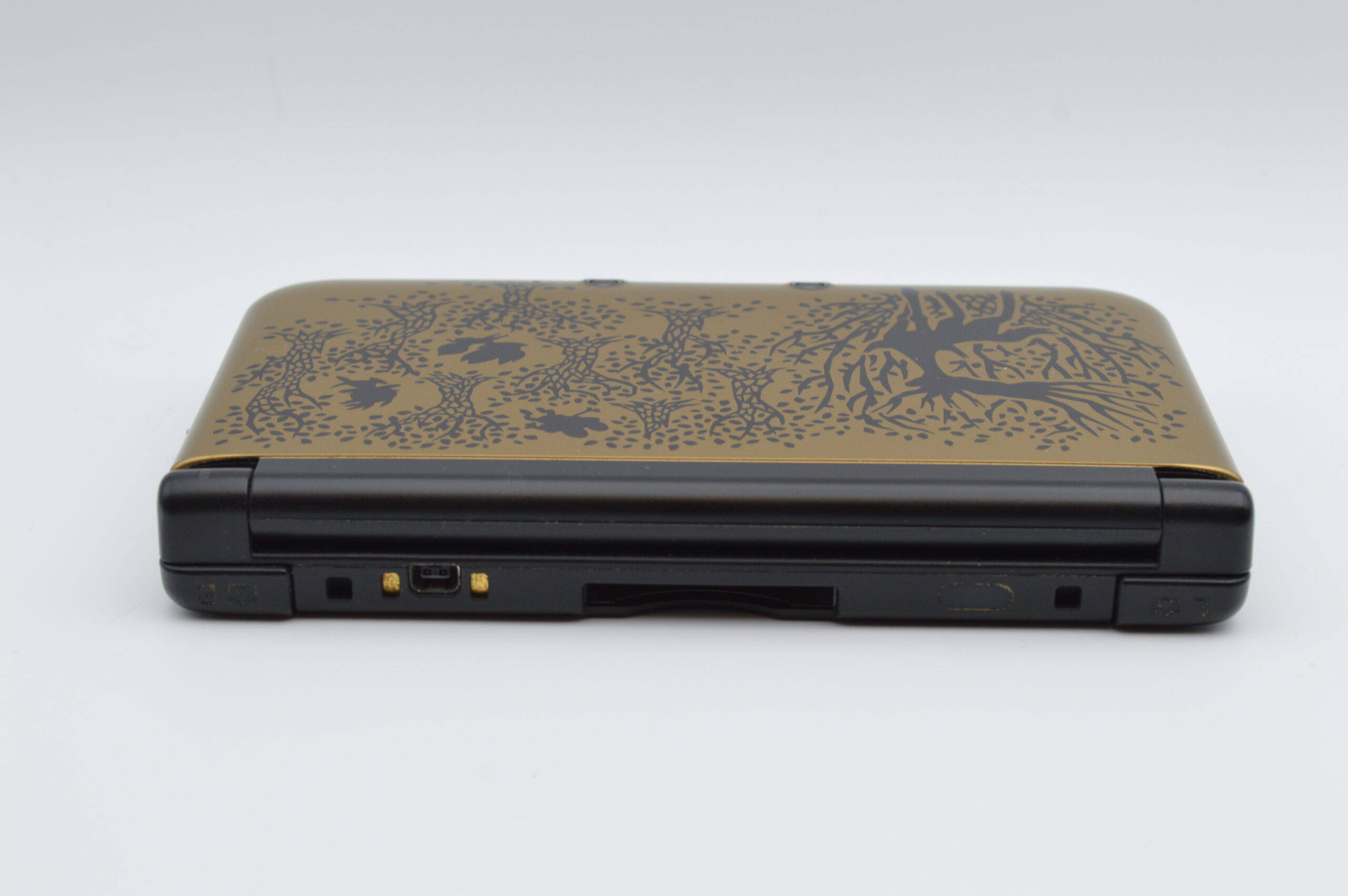
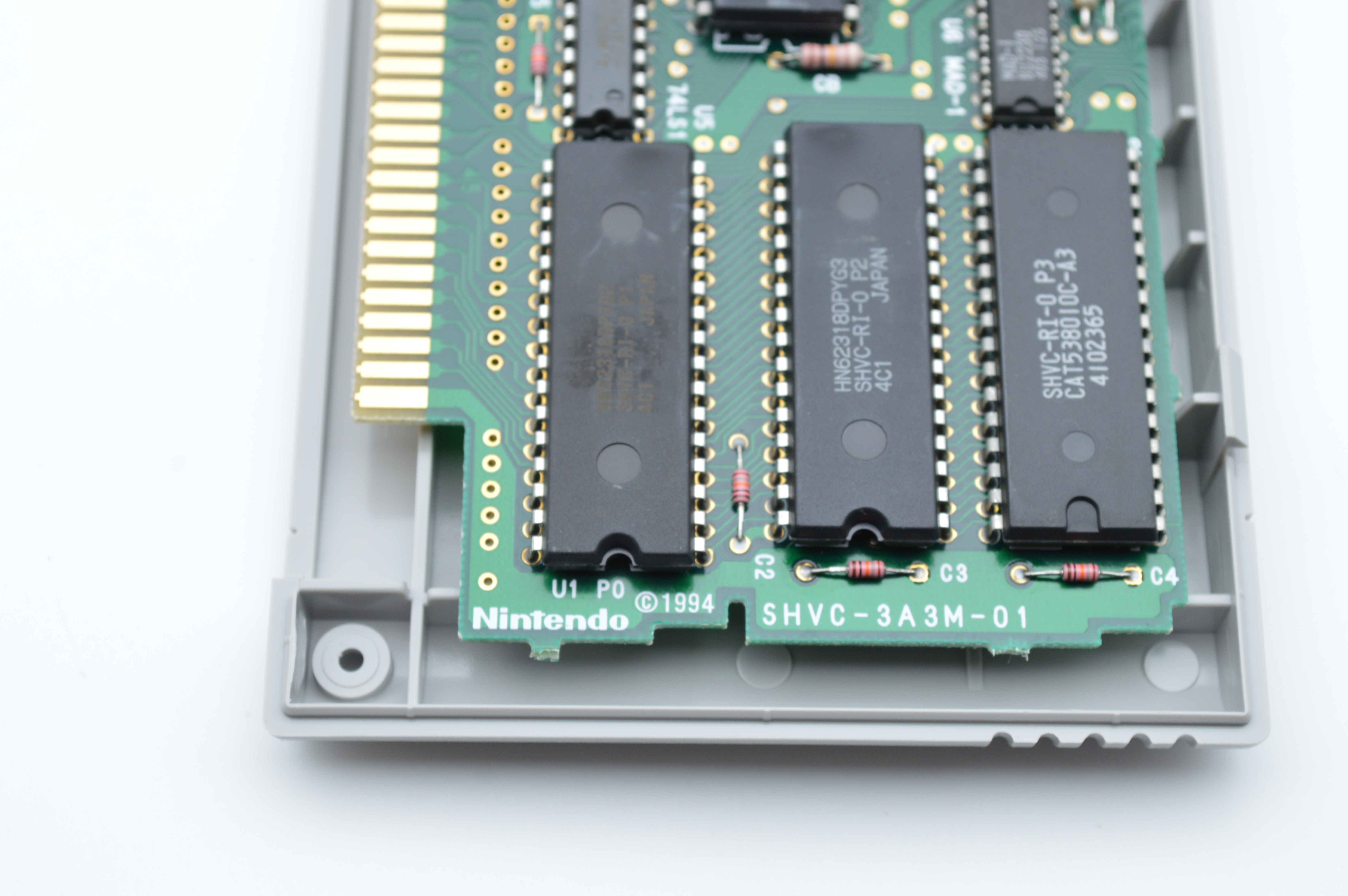
1st Print, or first print, refers to an early production run of a game or its packaging. Collectors may value a first print because it can have different cover art, inserts, label details, disc art, or manufacturing marks than later versions. The term is especially relevant for older games, limited releases, and titles with multiple reprints. Research the specific platform before advertising an item as a first print—small details matter, and an incorrect claim can hurt buyer trust.
Use the Terms, but Keep Listings Clear
Reseller shorthand saves space, but it should never replace a complete listing. Include clear photos of every item, note scratches, wear, missing inserts, tested status, and any differences from a standard release. The more accurately you describe a game, the easier it is for the right buyer to say yes.
Before you list, scan the game with PriceCam to get a fast starting point, then compare its condition and contents against recent sold listings. A little vocabulary—and a little research—goes a long way toward smarter buys and better sales.


